Focus on Hardcovers
Why Your Spa Cover Matters More Than You Think
When shopping for a spa pool or swim spa, customers often ask a simple question:
“Does the spa come with a cover?”
At Sapphire Spas, the answer is easy:
Yes - always.
But what many people don’t realise is that not all spa covers are created equal.
While a spa cover may seem like a basic accessory, it actually plays one of the biggest roles in the performance and efficiency of your spa. In fact, your spa cover is responsible for helping retain more than 70% of your spa’s heat. That means the quality of your cover can have a major impact on energy efficiency, water temperature consistency, maintenance, and ultimately — your running costs.
If you’re comparing spa brands, this is one area where it pays to look beyond the basics.
What Makes a High-Quality Spa Cover?
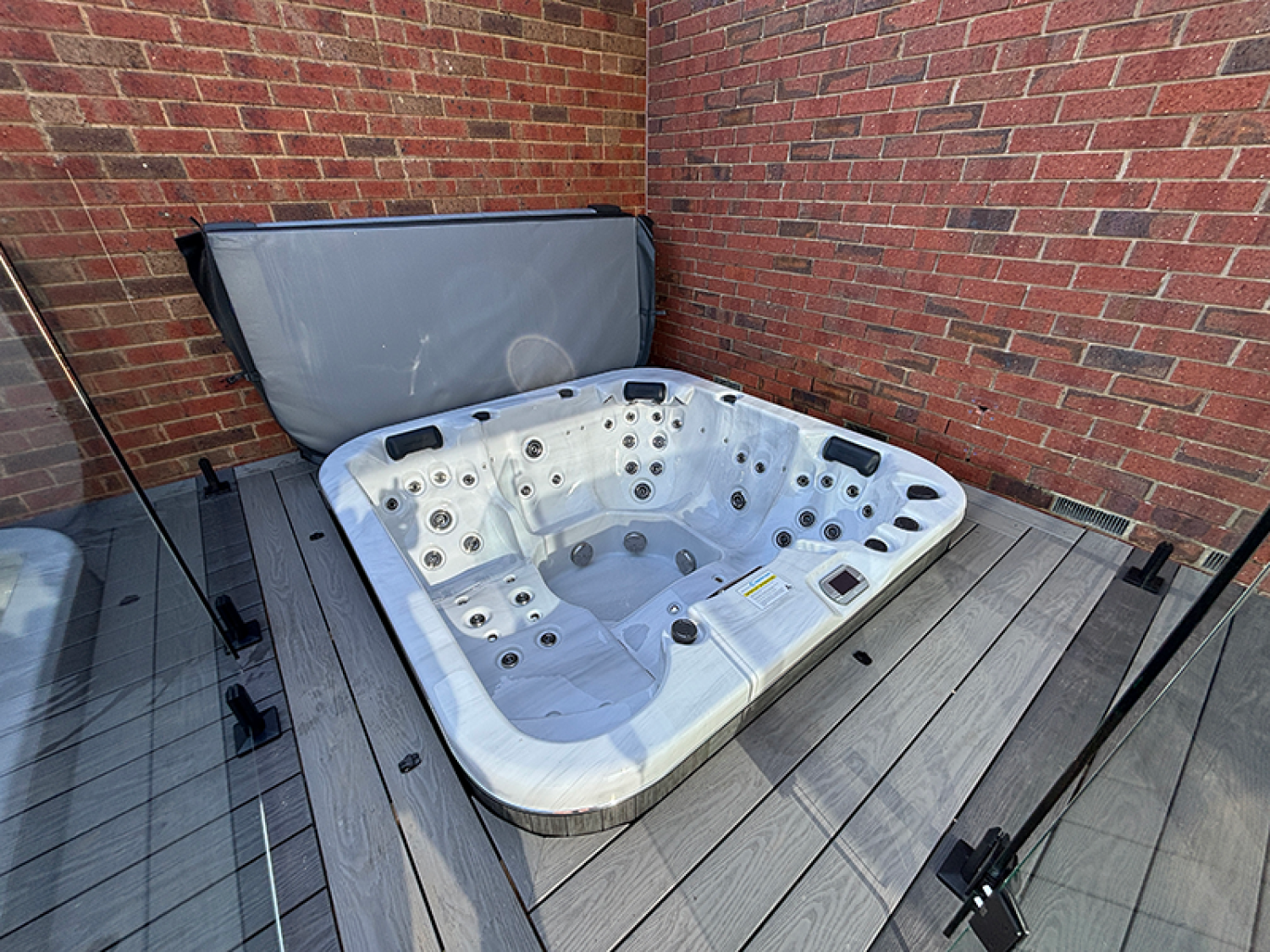
A spa cover should do much more than simply sit on top of your spa. A premium cover is designed to lock in heat, protect your water, withstand harsh Australian weather conditions, and last for years.
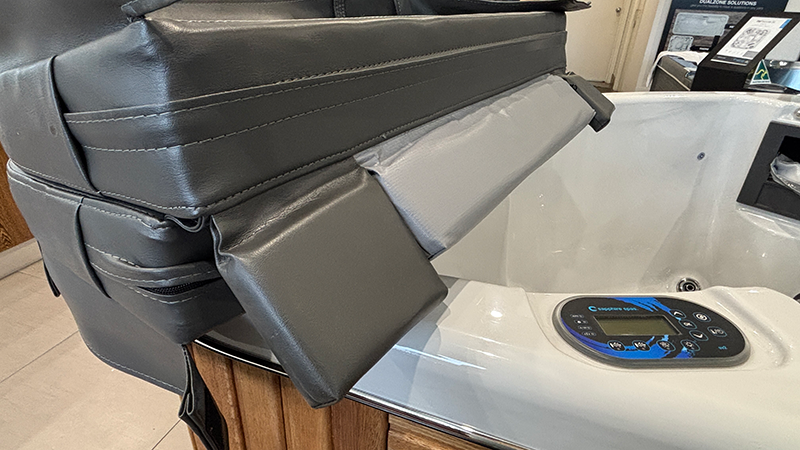
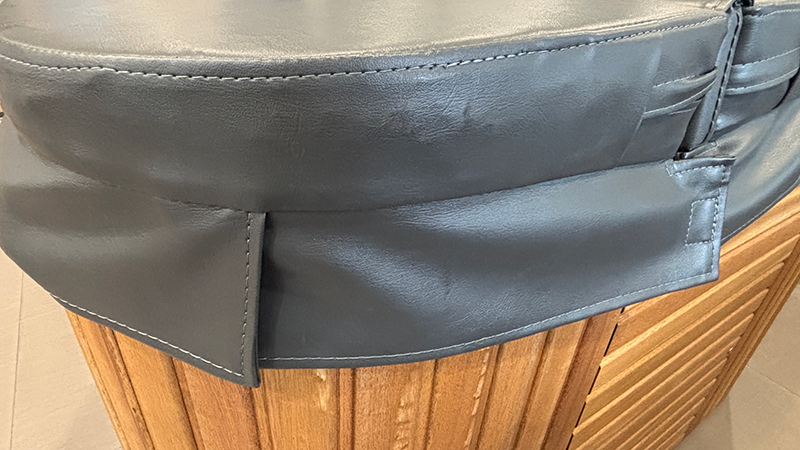
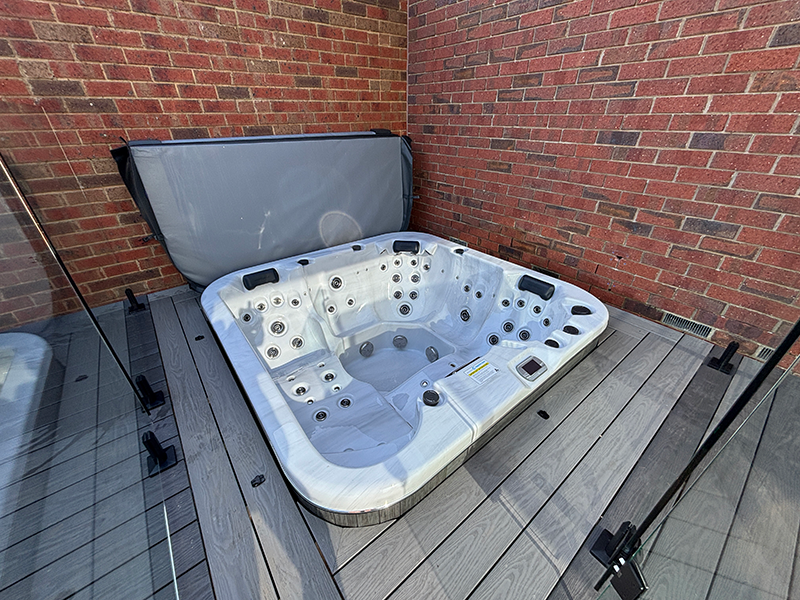
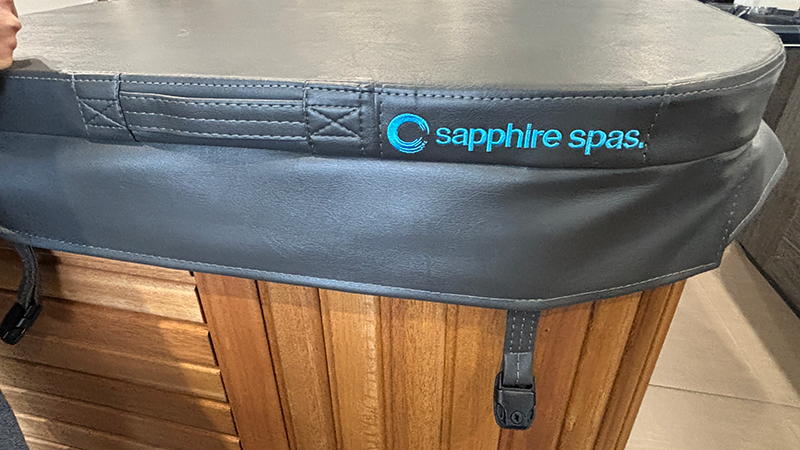
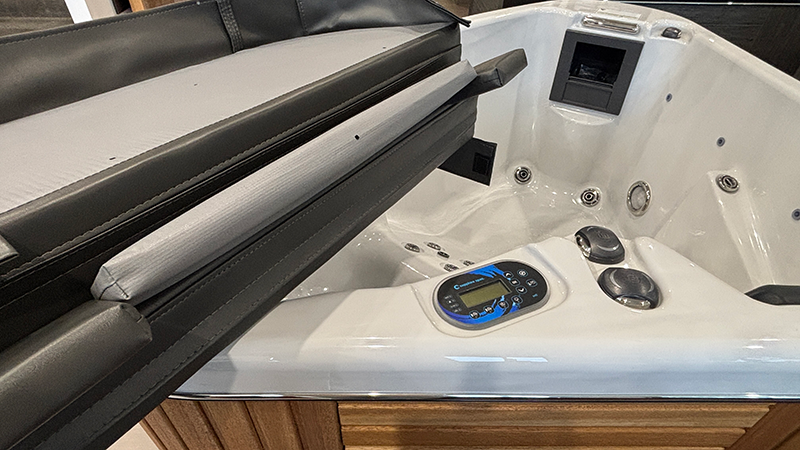
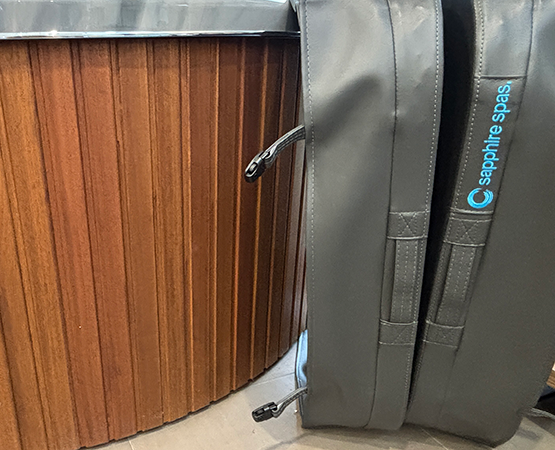
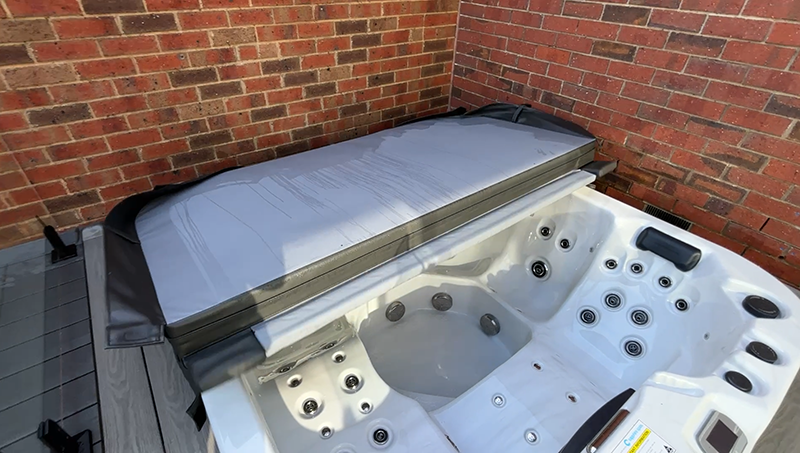
Here are a few important questions worth asking when comparing spas and swim spas:
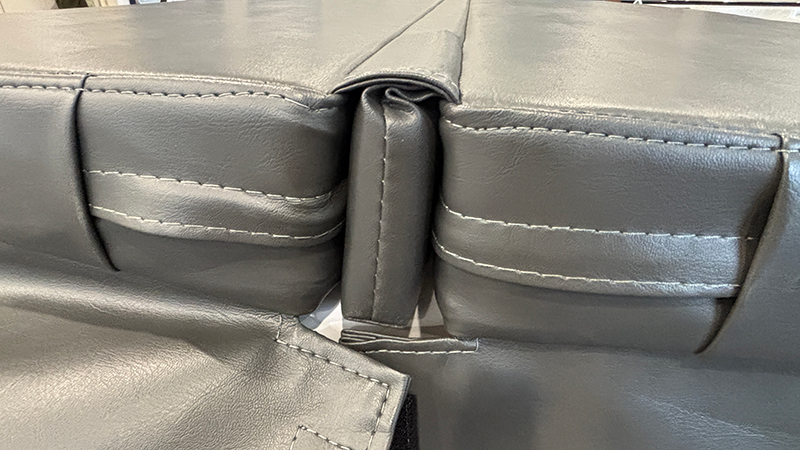
1. Does the cover have a full heat seal along the hinge?
One of the biggest areas for heat loss in a spa cover is the centre hinge — where the cover folds in half.
Some lower-quality covers only seal the hinge at the edges, allowing warm air and heat to escape through the middle. A better-quality spa cover will feature a full-length heat seal along the entire hinge, helping to retain warmth and reduce unnecessary heat loss.
This may sound like a small detail, but over time it can make a meaningful difference to heating efficiency and energy costs.
2. Is the cover tapered to allow rainwater runoff?
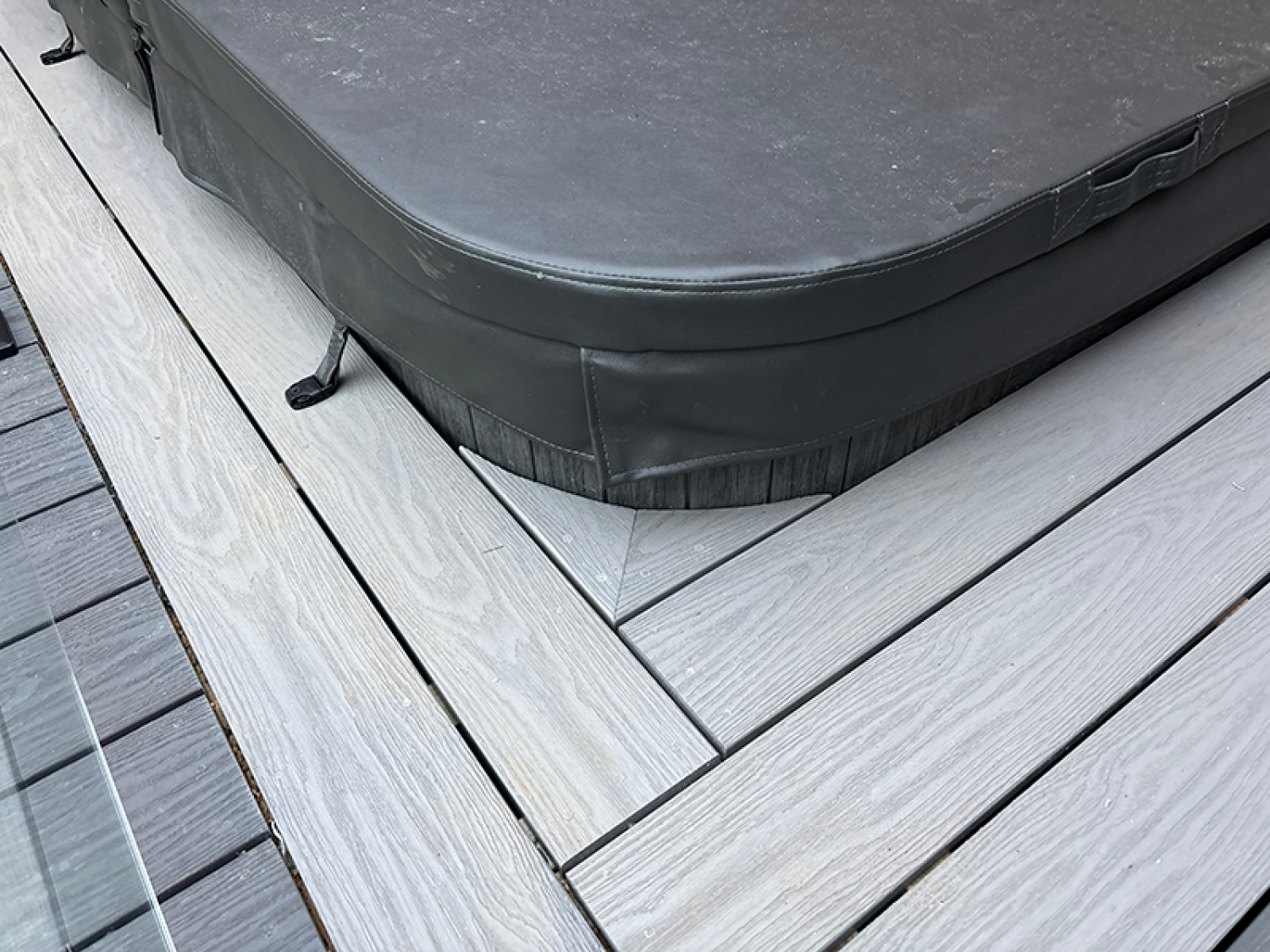
A quality spa cover should be tapered or sloped, rather than flat.
Why does this matter?
Flat covers can allow rainwater to pool on top, creating unnecessary weight and stress over time. Water pooling can eventually lead to sagging, deterioration, and reduced insulation performance.
A tapered design helps rainwater naturally run off the cover, improving longevity and maintaining its structural integrity.
3. Is the cover reinforced to prevent cracking?
The internal foam core of a spa cover works hard to insulate your spa — but without proper reinforcement, it can become damaged over time.
Look for covers that include steel reinforcement or strengthening supports, which help prevent the foam from cracking or collapsing under pressure. This becomes particularly important in outdoor Australian conditions where covers are regularly exposed to weather, moisture, and repeated handling.
4. Is the foam heat-sealed to prevent waterlogging?
This is one of the most overlooked features of a spa cover.
A high-quality spa cover should include foil heat-sealed wrapping around the internal foam core. Without this protection, moisture can slowly seep into the foam over time.
When foam becomes waterlogged, covers become heavy, difficult to lift, and dramatically less effective at insulating heat.
A good-quality heat seal helps protect the foam and preserve the cover’s performance for much longer.
Good Insulation Goes Beyond the Cover
While your spa cover does much of the heavy lifting, insulation throughout the spa itself also plays an important role in efficiency and running costs.
At Sapphire Spas, we believe the ideal spa should include multiple layers of insulation - not just in one area.
A well-designed spa should feature:
- Foam insulation applied to the spa shell
- Insulation lining inside the spa cabinet
- An insulated base to help minimise heat loss
The less heat that escapes your spa, the less energy is required to maintain temperature — helping to keep heating costs lower over time.
Why More Insulation Isn’t Always Better
You may come across some spas marketed with cabinets completely filled with spray foam insulation around all plumbing and equipment.
At first glance, this might sound like the ultimate insulation solution — but there’s an important downside many buyers aren’t told about.
In reality, fully foamed cabinets can make servicing and repairs significantly more difficult.
If a leak occurs or equipment needs maintenance, technicians may need to dig through hardened foam just to access pipes or components. This can increase service time, complexity, and costs — and in some cases, finding technicians willing to work on heavily foamed spas can become challenging.
The best approach is often a balanced insulation system — one that delivers excellent heat retention while still allowing reasonable access for servicing when required.
The Bottom Line
When comparing spa pools and swim spas, don’t just ask “Is a cover included?”
Ask what type of cover is included.
A premium spa cover and smart insulation design can make a meaningful difference to heat retention, running costs, durability, and overall ownership experience.
At Sapphire Spas, we believe the details matter - because a well-built spa should perform just as well years down the track as it does on day one.
Download your free guide